

How to Repair a Bifold Door Top Pivot
The top pivot of bifold doors can become loose and scratch the floor. This can be corrected by loosening the set screw on the top bracket.
The pivot pin on the top is a metal screw that is inserted into a plastic cap with an end that is lipped and stays in the track just above the door. You'll also need a screwdriver, or perhaps a pair pliers.
Remove the bottom pin
Bifold doors are great to save space in closets but they may begin to sag or scrape against the floor or fall out of their brackets. The good news is that you are able to repair the problem by making a few minor adjustments.
The most common problem is when the bottom pin becomes loose or slips out of its bracket. You can fix this by pressing the spring-loaded wheel at the top of the door and then swivelling the door to align it with the bottom track. Once the gap is adjusted, tighten the screw fixing the top pivot bracket in order to keep the door in position.
A common problem is the edge of the door's bottom scrapes against the carpet. This can be caused by adding new carpet or changing the flooring material, and it could also be the result of an uneven gap between the door and hinge-side jamb. You can fix this by loosening up the top guide, sliding it inwards or removing the top pivot point.
The last common problem is when the upper track is not aligned properly. This can be corrected by loosening and moving the screw that holds the top of the track in or out as required. After you've adjusted all the nuts and bolts holding the track in place, you should be capable of re-sliding it into its track bracket and secure it using the screw.
To remove the bottom pin, grasp both panels together at the sides and lift them slightly off the track below and off of their brackets. Release the locking levers on the bottom bracket to release the pin. If the pin isn't mounted on an attached bracket, place an flat-head screwdriver between bottom of the flange of the pivot and the door to pull it out of the door. Once you can get a firm grip on the pin, twist it left to right and then pull it out of the door. If you aren't able to pull the pin out, you may need to remove the panel from the track. If this is the case, place it on a set of saw horses to make it easier to handle.
Remove the pin that is on top.
Bifold doors are ideal for reducing space, but they can be frustrating when they begin to sag and scrape against the floor or slam off their tracks. There are a few simple adjustments that can help bring them back to their the right track.
If the doors slide unevenly you can loosen the screw on the pivot point on the top of the bracket and move it a bit. Close the door to determine whether it is in alignment with the frame. If it does then tighten the screw.
Another common problem with internal bifold doors is that the bottoms of the doors scrape against the carpet. If this is the case, try raising the bottom of the door using the bottom pin adjustment. If the door is too tall, you will have remove it and cut it with a saw.
The wood around the pivot pins and anchors can crack over time. If this happens, you can use epoxy to repair the damage and stop it from getting any worse. Apply a small amount of epoxy to the crack, and allow it to dry before opening the door.
It could be that the bifold doors of your home are too separated. You can solve this issue by moving the top of the door up or down on the track.
Doing this by hand can be a challenge, so it's best to get help when working on this project. Begin by grasping the outer and interior panels of the door at the sides, and then lifting them up. Stack them together for less difficult handling.
If there are locking levers on the pivot bracket, remove them. Grab the top of pin with a pair pliers and turn it from left to right while pulling it out. Repeat the same procedure on the opposite side of the door. After both pins have been removed the door should open and align with the track. If it doesn't work, you can always reinstall the doors and try again. You can use a drilling tool to straighten the track if it is bent.
Reinstall the Bottom Pin
If the bottom pin isn't working correctly, the door could become stuck, hindering it from closing and opening easily. Fortunately, it is usually a simple fix. A damaged or loose mounting bolt is often the reason. If this is the case the best solution is to replace the screw with a brand new one that's the same size as the old one. Then screw it into place and tighten.
If you're serious about your bifold repair project, use an air pressure gauge to examine the top pin that is spring loaded for proper compression. The gauge is also helpful in determining if the pin itself is damaged or cracked it is an important piece of information to have if you're planning on replacing it with a replacement part.
An excellent way to determine whether the current pivot pin is damaged or worn out is by measuring its diameter and the diameter of the cap on its pin. Compare the measurements to what you can find online for replacements. This will help you to find the right part for your door.
Lean the doors open and open the doors against each other prior to installing the new pivot pin. If bi fold door repair are using a set of closet door knobs that you want to attach the pivot pin make sure you mark a line of that is level along the center of each door's leading edge. Use a long level to mark this line so that you can be sure the top bifold track is level and in proper alignment with the jambs.
Once the doors are in place, insert the top pin into the pivot guide inside the track and swing the door's bottom into position so that the bottom of the pin rests on the L-shaped bracket. If the door does not fit properly between the top guide and the bottom bracket, you can raise or lower the door as required by unscrewing or installing the adjustable pivot on the bottom of the door. Use a long-handled level to mark a plumb-line across the middle of the door frame. If the gap between the side jamb of the hinge and the door is not even adjusted, adjust the pivot on the bottom.
Reinstall the Top Pin
Bifolds are hinged panels that fold back on tracks and then placed on either side of the door opening. They are available in a range of styles, such as solid or paneled doors and louvered doors. They can be used in closets, hallways, bedrooms or laundry rooms. If you already have a pair of bifold doors which scrape the floor or don't function properly, it's possible to adjust them by adjusting the pivots at the top and bottom.
Take the top pin first from the upper track. Then, slide the bottom one into its bracket, checking to determine if the gap between the door and the jamb-side of the frame is equal and is in line with the.
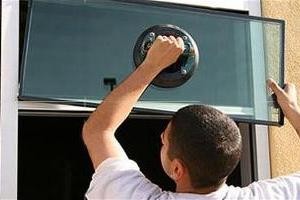
If the gap is too wide it is possible to raise the bottom of the door by loosening and screwing in the adjustable pivot at the bottom of the door. This will pull the bottom of the door towards the frame, which will reduce the gap. You can adjust the track hanger's height by loosening the screw on the bottom of the track and then adjusting the angle using a wrench.
Install the top track bracket at the hinge side of the door frame after you have installed the track hanger. Follow the instructions and diagrams that came with the kit to ensure that it is placed precisely. Make sure the track is level and flush with the floor before fastening it to the floor.
When installing a new track, take measurements of the width and height of the door opening to be sure you have the right dimensions of track and hardware kit. If you're not sure how to install your bifold doors, talk to an expert installer to ensure that your installation is done correctly. They'll be able to determine if your bifold doors are the correct size for the opening, and will help you select the ideal design for your home. If needed, they will reduce the door so that they are sized to fit. This could save you lots of time and money in the long in the long.